Table Of Content

During these conditions, sea heaps up and foam begins to streak, and whole trees may be in motion on land. The captain will regularly update passengers with real-time information on how long the rough seas will last and provide other important details. The Tasman Sea, located in the Pacific, between New Zealand and Australia, is known for its rough waters.
Video shows horrifying moments cruise ship passengers 'feared for their lives': 'Tables were flying' - New York Post
Video shows horrifying moments cruise ship passengers 'feared for their lives': 'Tables were flying'.
Posted: Wed, 08 Nov 2023 08:00:00 GMT [source]
Be Flexible in Your Planning
This could potentially result in a change of itinerary, and you may not call in at all of the ports that you had hoped to visit. While modern cruise ships are designed to handle these rough seas, passengers should be prepared for potential changes in their itineraries. They have advanced stabilizers that help to reduce the ship's movement in rough seas, making for a smoother ride. In addition, they are equipped with the latest in weather tracking technology to avoid bad weather and rough seas whenever possible. Cruise ships are designed to withstand rough seas and adverse weather conditions. However, when the seas become too rough, it can impact the comfort and safety of passengers and crew.
Bermuda and the Bahamas Are a Bit Less Sheltered Than the Caribbean
All Caribbean islands are at risk from hurricanes, but they most commonly make landfall in the Bahamas and the British Virgin Islands. This can also affect the Ionian Sea during January and February, affecting cruises out of Venice or Istanbul. Also check out what happened when 100 passengers were injured on a Saga cruise in the Bay.
The Bay of Biscay’s Turbulent Waters
It is important to note that while hurricanes can pose a significant threat to cruise ships, cruise lines closely monitor weather patterns and will alter their routes to avoid severe weather conditions. When planning a cruise, one of the concerns that passengers may have is the possibility of encountering rough seas. While cruise ships are designed to handle a variety of weather conditions, it is important to know what is considered rough seas and what to expect.
They come equipped with stabilisers that help minimise the ship’s rocking, making the journey smoother for everyone on board. In particularly rough weather, the captain might advise passengers to stay inside for safety. In extreme weather conditions, cruise ships like the Anthem of the Seas have successfully navigated through 30-foot (9-metre) waves with no major issues or injuries to passengers or crew. The Mediterranean can be surprisingly rough for such a seemingly sheltered sea. It tends to be roughest in autumn and winter when the winds are strongest and there is a higher chance of storms.
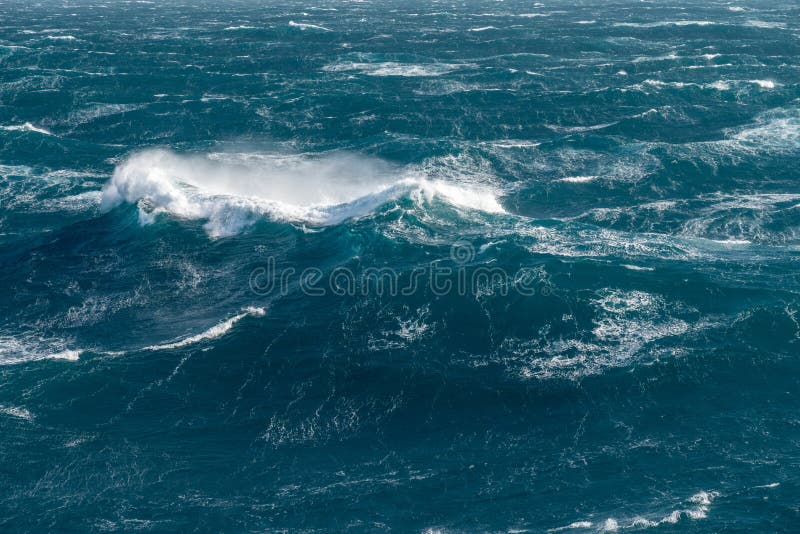
While this tip won’t help you avoid rough seas and extreme weather conditions, it can help you prepare for them. Anyone who spends significant time on the water will tell you that conditions can change quickly, so you should expect the unexpected. The South China Sea connects the Pacific and Indian Oceans, so it is an important maritime route for Southeast Asian cruises.

What Time Of Year Are Seas The Roughest?
When it comes to rough seas on a cruise ship, these massive vessels are well equipped to handle anything nature can throw at them. Testing during the construction phase ensures that the ship can remain buoyant and not capsize in the event of poor weather. If the cruise ship you’re on encounters rough seas, listen to the instructions from the captain and crew. They will place non-slip mats on slippery surfaces and put up signage to remind guests to use caution when walking. During typhoon and hurricane seasons (from June to November), Van Fleet is at Royal Caribbean’s Miami headquarters monitoring their 25-foot weather wall screens.
Don't worry, cruising in rough seas is completely safe
These conditions can cause a cruise ship to pitch (move up and down) or roll (tilt side to side), leading to a more turbulent experience on board. This area, part of the northwest Pacific Ocean, is known for its susceptibility to storms throughout the year, potentially leading to rough sea conditions. These waters are much rougher than the protected waters of the Inside Passage due to strong surface currents and cold air. These challenging conditions are a defining characteristic of Cape Horn, making it one of the most hostile waters for sea travel. If you’re looking to cross off all seven continents, you’ll have to board an expedition ship to step foot on Antarctica, as mainstream cruise lines only traverse through the Drake Passage. Measures are expressed on a 10-degree scale, with ‘Degree 0’ being completely calm seas and ‘Degree 9’ being extremely rough seas.
The captain will keep passengers updated about the weather and might change the ship’s course to avoid the worst parts of a storm. This area is known for its rough seas, especially from October to February. Here, cold arctic air meets strong currents, creating storms that can make your journey less calm. This area is known for having really strong currents and winds, which can make the sea very rough. But, it’s also part of the adventure of getting to Antarctica, as the ships that go there are built to handle these conditions.
Cruising during hurricane season: What to know — and should you go? - The Points Guy
Cruising during hurricane season: What to know — and should you go?.
Posted: Tue, 09 Apr 2024 07:00:00 GMT [source]
This testing included putting scale models of the cruise ship through storm simulations to see how it holds up. Seas on a transatlantic cruise can indeed be rough at times, primarily due to the vast and open nature of the Atlantic Ocean. The experience of rough seas on such a cruise largely depends on the time of year and the specific route taken. While the winter months are the most intense, it’s important to note that other times of the year can also be impacted, particularly during hurricane season. The main system is known as the Douglas Sea Scale and it is used by cruise ships, as well as other vessels, to measure how difficult it will be to navigate through certain waters at a given time.
When a cruise ship encounters rough seas, it can lead to a range of physical movements and sensations. The ship may pitch, roll, and sway as it rides the waves, which can cause passengers and crew members to feel a sense of instability and motion. While these movements can add to the thrill and excitement of a cruise, they may also cause discomfort and seasickness for some individuals. While cruising may conjure up images of calm seas and gentle breezes, it’s important to remember that the ocean can sometimes be a bit rough.
The Caribbean is one of the most popular year-round cruising destinations for a reason. Nothing quite beaches sinking into the white sand of a famous beach while admiring the turquoise waters with a fruity drink in hand. It's the body of water that lies between Cape Horn and the South Shetland Islands.
Overall, while rough seas can present challenges for a cruise ship, modern vessels are designed and equipped to handle these conditions safely. Understanding the impact of rough seas on the ship is essential for both passengers and crew members to ensure a smooth and enjoyable cruising experience. Despite this, all of the big cruise lines will have multiple ships sailing to the Caribbean throughout the hurricane season. They might well adjust their routes to avoid the very worst storms, so your itinerary is more likely to be affected if you travel at this time of year. Despite these precautions, cruise ships can cope pretty well, even when sailing across the roughest ocean in the world.
Sometimes, you might not be able to board your ship due to bad weather, and this could lead to the start of your cruise being delayed. Harsh waves lapping at a cabin window, water drenching the deck, and the vigorous rocking of a ship are all images that our mind conjures up when we think about a cruise ship going through a storm. If you're prone to seasickness or just want to be prepared for high seas and rolling waves, we've compiled a list of some of the bodies of water known for their chop. The seas around Japan can be rough at certain times of the year, influenced by the region’s specific climatic conditions. The most significant factor is the typhoon season, which typically runs from May to October. The Beaufort Wind Scale, which categorizes wind speed, is often used to gauge sea conditions; rough seas are usually indicated by wind speeds over 17 knots (about 20 mph or 31 km/h).


No comments:
Post a Comment